
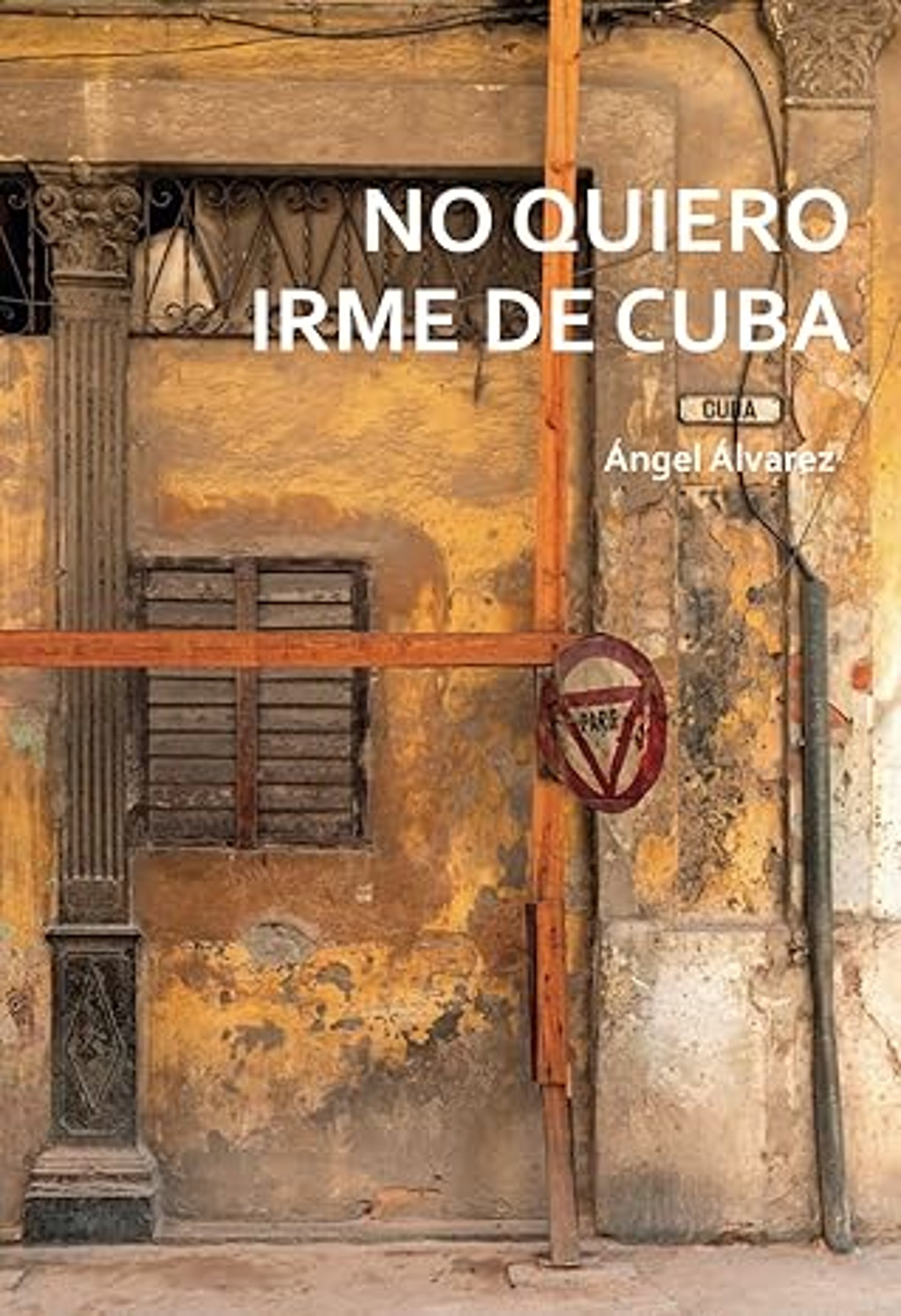
“No quiero irme de Cuba”: one book, many Cubas, and a journey that could also be yourser tuyo
“No quiero irme de Cuba” is the story of a traveler who arrives on the island looking for a vacation and ends up finding much more: real people, stories of struggle, and a Cuba that never appears in the brochures. Over the course of a twenty‑day journey, Ángel Álvarez Lechuga portrays neighborhoods, landscapes, and encounters that bring him closer to the most vulnerable and force him to rethink what it really means to live well. The book blends a tourist’s perspective, social awareness, and deep tenderness towards Cubans, revealing an island caught in political and economic contradictions, yet full of dignity and everyday creativity.
Adrian Lamela Aragonés
2/13/20264 min read
“No quiero irme de Cuba” is the story of a traveler who arrives on the island looking for a vacation and ends up finding much more: real people, stories of resilience, and a Cuba that never appears in the brochures. Over the course of a twenty‑day journey, Ángel Álvarez Lechuga portrays neighborhoods, landscapes, and encounters that bring him closer to the most vulnerable and force him to rethink what it really means to live well.
The book blends a tourist’s perspective, social awareness, and deep tenderness towards Cubans, revealing an island caught in political and economic contradictions, yet full of dignity and everyday creativity.
When I read “No quiero irme de Cuba” by Ángel Álvarez Lechuga, I felt as if I were seeing my own country through the eyes of a traveler who truly allows himself to be moved by what he experiences. It is not just a holiday book, but the honest diary of twenty days on the island, where landscapes, politics, and everyday life are intertwined with personal questions that many people ask themselves after getting to know Cuba.
In this article, I want to share what the book is about, why I think it is a perfect read for anyone considering a trip to Cuba, and how that perspective connects with the photo tours I run as a Cuban photographer.
From a simple vacation to a journey that changes everything…
“No quiero irme de Cuba” follows the journey of a traveler who arrives with the idea of discovering the island, relaxing, and enjoying an exotic destination, and ends up finding a complex country, full of contrasts and humanity. Over the course of twenty days, Ángel describes cities, towns, and everyday moments: the noise of the streets, spontaneous conversations, the difficulties of daily life, and the capacity of Cubans to keep going.
What is interesting is that the book does not remain on the tourist surface; the author approaches people in vulnerable situations and allows himself to listen to their stories without sugarcoating what he sees. From one encounter to the next, he realizes that this journey is also questioning his own way of living, his priorities, and his idea of “well‑being” in Europe.
The Cuba that doesn’t appear in the brochures.
Many travelers come to Cuba looking for sunshine, classic cars, and colorful facades, and of course all of that exists and is very photogenic. But the book reveals another layer: endless queues, salaries that never stretch far enough, families who depend on daily creativity to cover the basics, and a mix of pride, exhaustion, humor, and dignity that is hard to capture in a few lines.
Ángel writes with a blend of tenderness and rawness; he acknowledges the beauty of the country, but also the weight of history, politics, and the economy in ordinary people’s lives. That combination of empathy and honesty is, for me, one of the best ways to approach Cuba: without idealizing it, but also without reducing it to its problems.
As a Cuban photographer, that is the Cuba I try to show: not just the backdrop, but the eyes, the gestures, and the doorway conversations that often say more than any monument.
Reading Cuba before living it: why this book is a great way to prepare your trip
If you are thinking about traveling to Cuba, “No quiero irme de Cuba” is a very human way to get ready. Rather than a guidebook, it feels like a long conversation with someone who has just come back and wants to tell you what he saw, what surprised him, and what moved him inside.
By reading it, you get a sense of:
What street life is like, beyond the usual tourist circuit.
What it means to face daily scarcity and still open the door to a foreigner with a smile.
The contradictions a visitor feels when enjoying the beauty of the place, knowing that many people are having a hard time.
All of this helps you arrive in Cuba with a different attitude: more attentive, more respectful, and more willing to listen before judging or taking photos.
From pages to camera: living your own story in Cuba
What I like most about the book is that, when you finish it, you are left with the feeling that Cuba cannot be understood only by reading about it; you need to walk it, smell it, listen to it and, if you love photography, try to capture it in images.
That is exactly what I do in my photo tours: I guide travelers who want to go beyond the typical circuit and create their own visual stories, while respecting people and context. At Lamela Photo Journey, I organize photo routes in Havana, Viñales, and other areas of Cuba designed so that you can:
Walk through neighborhoods where everyday life is just as interesting as the monuments.
Photograph them with good light, time, and calm, without the rush of a large group.
Understand what you are seeing, with social and cultural context, so that each image has a real story behind it, not just pretty colors.
Just like in the book, the idea is that you are not only a tourist looking from the outside, but a traveler who gets involved, talks, asks questions, and returns home with more than memories; you come back with photographs that tell who you are and what Cuba made you feel.
If the book inspires you, come live your own version of “No quiero irme de Cuba”.
If “No quiero irme de Cuba” has touched you or caught your attention, my sincere recommendation is to read it and then, if you can, come and see with your own eyes the Cuba it describes. The book is an excellent doorway into the country’s sensitivity; my photo tours are an opportunity to turn that sensitivity into real experiences and photographs of your own.
You can find Ángel Álvarez Lechuga’s book in online bookstores and on platforms such as Amazon and other Spanish retailers, in print format. And if, after reading it, you feel that you too might end up saying “I don’t want to leave Cuba”, I will be happy to walk with you, camera in hand, through the streets, squares, and landscapes that make so many travelers fall in love with this island.
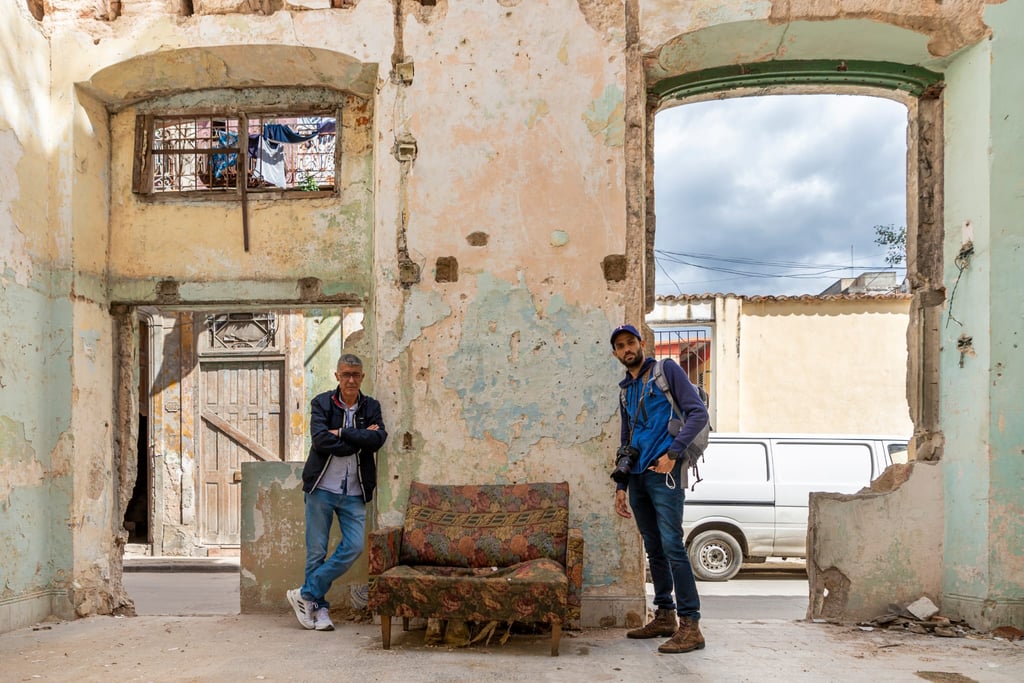
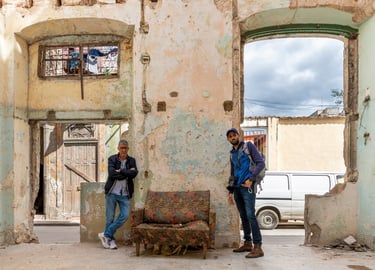
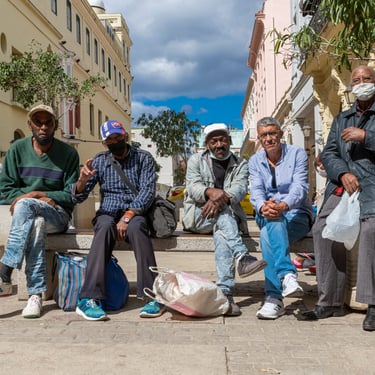
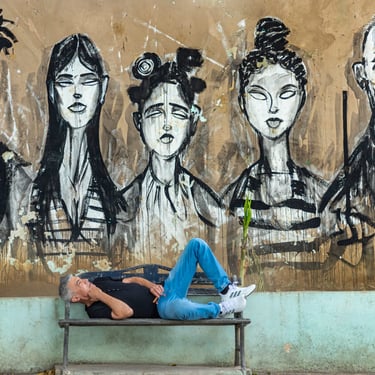
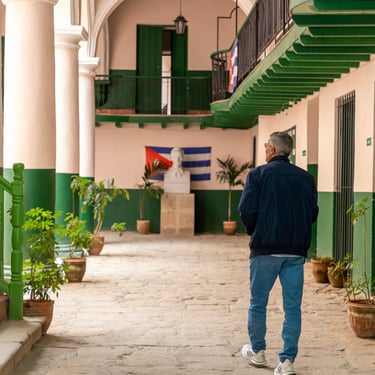
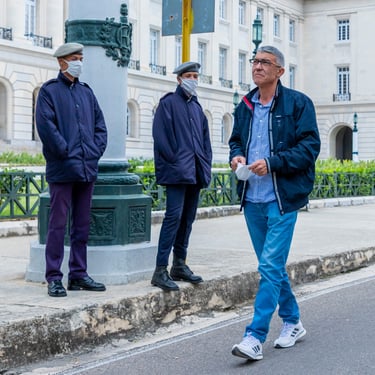
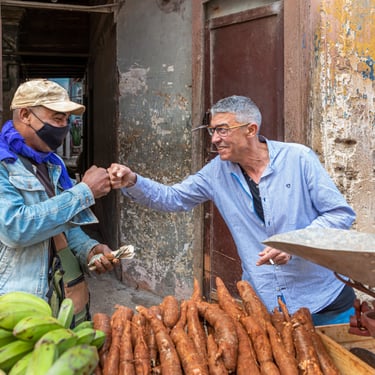
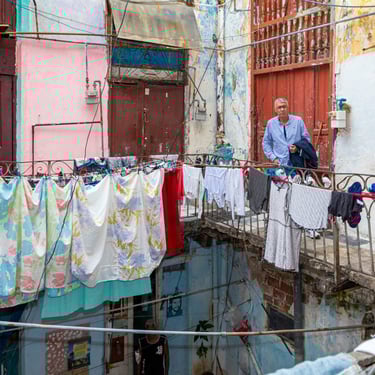
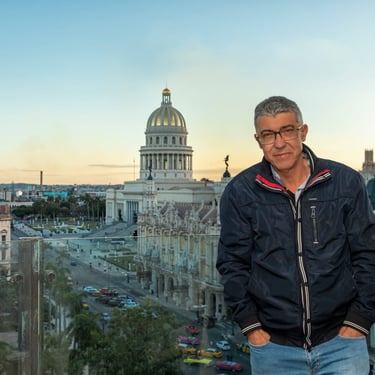
photo by Natasha Forcade & Adrian Lamela
info@lamelaphotojourney.com
© 2025. All rights reserved.